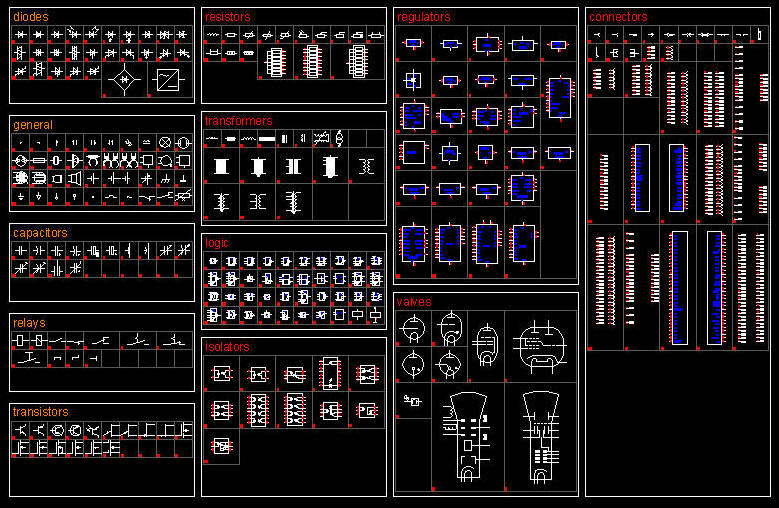
– –
– – How “Diagrams Double Electrical Home Mobile Wide Wiring” Shapes Core Gameplay in Simulation Games
– Within the expansive realm of video games, particularly in genres centered around simulation, survival, and base-building, players often encounter a strategic layer far removed from combat or narrative: the intricate management of resources and infrastructure. One such critical, yet often abstract, element can be conceptualized by the phrase “diagrams double electrical home mobile wide wiring.” This seemingly technical term, when recontextualized within gaming, encapsulates the essential challenge of designing, implementing, and maintaining robust power grids within complex virtual environments. It speaks to the systems that govern a player’s ability to sustain operations, expand their bases, and overcome environmental or strategic hurdles, transforming abstract concepts into tangible gameplay mechanics that demand careful planning and execution.
💡 Technical Key Takeaways:
- Core Focus: Diagnostic schematic and terminal connection layout for Diagrams Double Electrical Home Mobile Wide Wiring.
- Target Scope: Field technicians, automotive DIYers, and residential/commercial electricians.
- Safety Rule: Always disconnect the primary power source/battery terminal and verify zero voltage with a multimeter before touching wires.
– Background and Core Idea
– The concept of “diagrams double electrical home mobile wide wiring” in gaming isn’t about real-world electrical blueprints, but rather the systematic representation and management of in-game power networks. Historically, the roots of such complex systems can be traced back to early simulation titles where resource management began to evolve beyond simple numerical counters. Games like Minecraft, with its Redstone mechanics, offered a rudimentary yet powerful system for logical circuits and power transmission, inspiring countless community “diagrams” for automation. Later, titles such as Factorio, Satisfactory, RimWorld, and Oxygen Not Included elevated this to a core gameplay loop. Here, “diagrams” represent the visual schematics, planning tools, or player-created blueprints used to map out power generation, distribution, and consumption. For more related activities, check out our Ahg Brandch Symbol Relay Game.
– The “double electrical” aspect speaks to strategic redundancy or parallel systems. In a game like RimWorld, a double electrical setup might involve redundant power conduits to prevent a single point of failure during a power surge or a short circuit event, ensuring critical systems remain operational. In automation games like Factorio, it could mean parallel power lines feeding different sections of a sprawling factory, or multiple power plants working in tandem to meet peak demand, preventing brownouts. “Home mobile wide wiring” then describes the scope: power grids within a fixed base (“home”), extending to or powering mobile units (vehicles, drones, or temporary setups), and spanning vast distances across the game world (“wide wiring”), demanding efficient transmission solutions to minimize power loss and maximize coverage.
– Key Discussion and Analysis
– The implementation of “diagrams double electrical home mobile wide wiring” significantly impacts gameplay and deepens strategic layers. The act of creating and following “diagrams” is crucial. Many games provide in-game overlay tools for power grids, allowing players to visualize connections, consumption, and generation. Beyond these in-game tools, the community thrives on sharing elaborate “diagrams” meticulously planned layouts for optimal power flow, shared through forums and wikis. This meta-knowledge becomes vital for progression, demonstrating how player-generated content directly influences the player experience.
– The “double electrical” mechanic introduces critical decision-making. Should a player invest resources in a single, powerful energy source, or diversify with multiple, potentially redundant, smaller generators? The former offers efficiency but high risk; the latter, resilience at a higher resource cost. Games often feature events (natural disasters, enemy attacks, resource depletion) that challenge these designs, forcing players to adapt and troubleshoot. This fosters a deep understanding of resource management and risk assessment. For instance, in Oxygen Not Included, managing fluctuating power loads and temperature control for power generation heavily influences colony survival, often necessitating a “double electrical” approach with multiple power sources and backup batteries.
– “Home mobile wide wiring” presents challenges in scaling and logistics. As a base (“home”) expands, maintaining an efficient power grid across vast distances (“wide wiring”) becomes increasingly complex. Players must contend with power transmission limitations, such as voltage drop over long conduits, requiring substations or more powerful cabling. The “mobile” aspect introduces mechanics for powering vehicles, remote mining outposts, or even temporary shelters, demanding portable power solutions or robust long-distance wireless power transmission features in more futuristic settings. The careful balance between expanding operations and maintaining a stable power supply is a continuous strategic puzzle. For example, in Subnautica: Below Zero, powering remote scanner rooms or habitat modules across the icy landscape requires careful consideration of power sources like thermal vents or solar panels, and the subsequent wiring to link them to a central “home” base.
– Community and Competitive Impact
– The intricacy of “diagrams double electrical home mobile wide wiring” fosters vibrant communities. Players frequently share their most efficient, aesthetically pleasing, or resilient power grid “diagrams” on platforms like Reddit, YouTube, and specialized wikis. These community-driven optimal layouts become part of the prevailing game meta, influencing new players and seasoned veterans alike. The process of designing and optimizing these systems offers immense satisfaction, and the sharing of these elaborate plans builds strong social connections around problem-solving.
– While not a direct esports discipline, the principles embodied by efficient wiring and power management are absolutely critical in competitive speedrunning scenarios for factory and simulation games. Achieving world records in games like Factorio often hinges on highly optimized, stable power grids that can fuel massive production lines without faltering. Every watt of power, every conduit placement, and every redundant circuit can shave precious minutes off a run. The ability to quickly and effectively implement robust “double electrical home mobile wide wiring” strategy becomes a competitive skill in itself, showcasing mastery over a game’s complex mechanics. This extends to various community challenges focused on efficiency, resilience, or minimal resource usage, demonstrating a hidden competitive scene rooted in design optimization.
– Modern Perspective
– In today’s gaming landscape, the importance of “diagrams double electrical home mobile wide wiring” continues to evolve, pushing the boundaries of strategic depth and immersion. Modern games leverage advanced physics engines and detailed simulation models to make power management more dynamic and interactive. Future titles may introduce more dynamic environmental factors affecting power generation (e.g., weather patterns impacting solar or wind power), advanced AI adversaries targeting critical infrastructure, or seamless integration of power grids with broader ecological systems. This ensures that the challenges of maintaining power are not static, but continually adapt, demanding continuous innovation in a player’s strategy and design. Developers are constantly refining UI/UX elements to make these complex systems more accessible without sacrificing depth, offering players the tools to create their own “diagrams” with greater ease and precision, thereby enhancing the overall player experience and increasing replayability.
– Conclusion
– The conceptual framework of “diagrams double electrical home mobile wide wiring” represents a fundamental, often underestimated, strategic pillar within simulation, survival, and base-building video games. It transcends mere resource counting, delving into the sophisticated art of planning, redundancy, and logistical expansion. From the rudimentary Redstone circuits of Minecraft to the sprawling factory floors of Factorio, the challenge of powering a growing empire deeply impacts gameplay, shapes player strategy, and fosters vibrant community engagement through shared “diagrams” and optimal meta designs. This intricate dance of power generation and distribution remains a compelling feature in game design, promising continued innovation and depth in the years to come, solidifying its long-term influence on how players build, survive, and thrive in virtual worlds.
– FAQs
-
–
-
– – Which game franchises best exemplify complex “double electrical home mobile wide wiring” mechanics?
– – Games like Factorio, Satisfactory, Oxygen Not Included, RimWorld, and Space Engineers are prime examples, demanding intricate power grid design and management for successful progression.
– -
– – How do in-game “diagrams” help players manage power grids effectively?
– – “Diagrams” (whether in-game overlays or community-created blueprints) provide visual clarity for complex power networks, helping players plan optimal layouts, troubleshoot inefficiencies, and understand the flow of power to various machines and structures.
– -
– – What are the strategic benefits of “double electrical” systems in base-building games?
– – “Double electrical” systems offer resilience through redundancy (preventing total power loss from a single point of failure) and increased capacity through parallel power generation, ensuring stable operation during peak demand or adverse events.
– -
– – How do developers balance complexity with player accessibility in these wiring mechanics?
– – Developers typically balance complexity with accessibility through intuitive UI/UX design, visual feedback (e.g., power grid overlays), tiered progression that introduces mechanics gradually, and robust tutorial systems that guide players through initial power setup.
– -
– – Does efficient power management contribute to competitive scene success in automation games?
– – Absolutely. In speedrunning or efficiency-focused challenges within automation games, highly optimized and stable power management is crucial. Any power fluctuations or insufficient supply can severely hinder production and impact overall completion times, making it a critical aspect of competitive strategy.
–
–
–
–
–
– –
Quick Wiring Specifications & Terminal Guide
| Component / Circuit | Standard Wire Gauge | Recommended Protection |
|---|---|---|
| Control & Trigger Signals | 18 – 20 AWG | 5A – 7.5A Inline Fuse |
| Standard Auxiliary Load | 14 – 16 AWG | 15A – 20A Circuit Breaker |
| Main Power Feed / Supply | 10 – 12 AWG | 30A – 40A Heavy-Duty Relay |
Images References
– –
– –
– –
– –
– –
– –
– –
– –
– –
– –
– –
– –
– –
– –
– –
– –
Explore more technical diagrams and schematics in our comprehensive symbols schematics collection for detailed circuit walkthroughs.