– –
– – Mastering Game Logic: The Power of Diagrams Schematic Wiring in Gaming
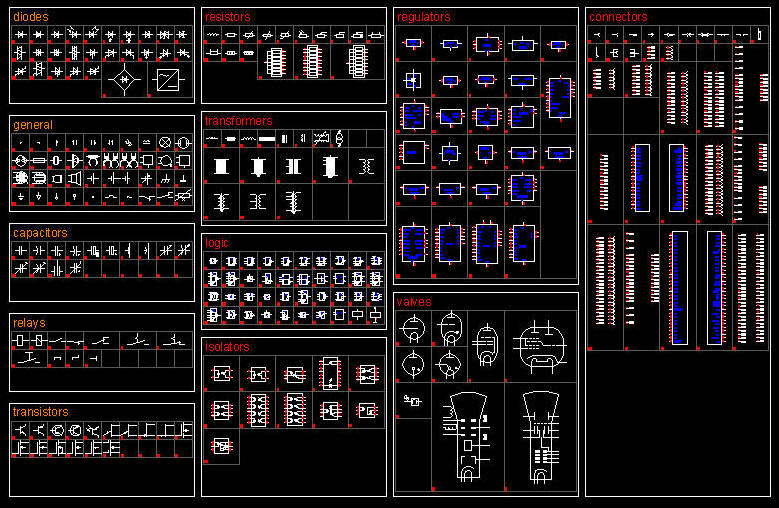
– The intricate world of video games, often perceived as an artistic fusion of narrative and graphics, relies heavily on underlying logical structures that are surprisingly analogous to engineering blueprints. At its core, the creation and mastery of complex virtual environments frequently involve principles best understood through diagrams schematic wiring. This keyword, typically associated with electrical engineering or industrial design, finds a profound and pervasive relevance within the gaming industry from the initial conception of game mechanics to the strategic analysis of competitive esports and the intricate problem-solving demanded by certain gameplay experiences. Understanding the “wiring” of a game, whether literal or metaphorical, is fundamental to both its creation and its successful navigation by players.
💡 Technical Key Takeaways:
- Core Focus: Diagnostic schematic and terminal connection layout for Diagrams Schematic Wiring.
- Target Scope: Field technicians, automotive DIYers, and residential/commercial electricians.
- Safety Rule: Always disconnect the primary power source/battery terminal and verify zero voltage with a multimeter before touching wires.
– Background and Core Idea
– In its traditional sense, diagrams schematic wiring refers to visual representations that illustrate the functional connections between components in a system, often using abstract symbols rather than realistic depictions. In gaming, this concept extends beyond physical circuits to encompass the logical architecture of a game. Game developers routinely employ schematic thinking to map out everything from questlines and AI behaviors to user interface flows and environmental puzzle interactions. The roots of this approach in game development can be traced to the need for clear, concise ways to represent complex systems that multiple team members can understand and iterate upon. Modern game engines, for instance, extensively utilize visual scripting tools (like Unreal Engine’s Blueprints or Unity’s Bolt/Visual Scripting) which are direct manifestations of schematic wiring principles. These tools allow developers to “wire” together game logic, events, and actions using nodes and connections, effectively creating a programmatic flowchart that dictates gameplay.
– Key Discussion and Analysis
– The influence of diagrams schematic wiring is multifaceted within gaming. Most overtly, certain game genres center their entire gameplay around this very concept. Titles like Minecraft, particularly with its Redstone mechanics, challenge players to construct complex automated systems by logically “wiring” inputs, logic gates, and outputs. Similarly, simulation and factory management games such as Factorio and Satisfactory require players to design sprawling production lines, visually laying out the “schematic wiring” of resource flow and automation to optimize efficiency and output. The Zachtronics franchise, with games like TIS-100 and Shenzhen I/O, pushes this even further, asking players to program virtual microchips by directly manipulating abstract instruction sets and “wiring” data pathways, demanding a deep understanding of logical flow.
– Beyond explicit mechanics, schematic thinking is crucial for successful game design and player engagement. Level designers often create internal “schematic diagrams” of puzzle layouts, trigger zones, and event chains to ensure a cohesive and challenging player experience. For players tackling intricate environmental puzzles, such as those found in Portal or The Witness, mentally (or physically) mapping out the logical connections essentially diagramming the puzzle’s wiring is often the key to progression. This systematic approach allows players to break down seemingly overwhelming challenges into manageable, interconnected parts, fostering a rewarding sense of accomplishment when the “circuit” finally closes.
– Furthermore, in the realm of advanced gameplay and strategy, diagrams schematic wiring principles become invaluable. Professional players and analysts frequently diagram optimal build orders in real-time strategy games, illustrate character synergies in RPGs, or flowchart decision trees for complex scenarios. This “meta-gaming” often involves understanding how different gameplay mechanics, character features, or team compositions are “wired” together to create a winning strategy, identifying weaknesses in the opponent’s setup, or exploiting unforeseen connections.
– Community and Competitive Impact
– The collaborative nature of gaming communities often sees players sharing and refining their “schematic wiring” solutions. Online forums, wikis, and video guides are replete with intricate diagrams for Minecraft Redstone contraptions, Factorio belt layouts, or optimal skill tree paths in various RPGs. This collective intelligence not only streamlines the player experience but also fosters a deeper appreciation for the underlying game mechanics, turning complex challenges into shared learning opportunities. The community’s ability to visually articulate and disseminate these complex solutions through schematic diagrams is a testament to their utility.
– In the competitive scene, particularly within esports, the analytical prowess derived from understanding diagrams schematic wiring is paramount. Coaches and analysts for games like League of Legends or Valorant meticulously diagram team fight engagements, objective rotations, and champion/agent synergies. They break down a team’s strategy into its constituent “wires” individual player roles, ability usage, timing, and positioning to understand how these elements “connect” to form a cohesive whole. Identifying a flaw in the opponent’s “wiring” or developing a counter-strategy requires this deep, schematic comprehension of competitive meta and team dynamics. This analytical rigor directly impacts strategic planning, player reviews, and ultimately, tournament outcomes, shaping the ever-evolving competitive landscape.
– Modern Perspective
– Today, the relevance of diagrams schematic wiring in gaming is stronger than ever. As game worlds become more expansive and game mechanics more sophisticated, the need for clear, logical representations intensifies for both creators and consumers. Developers continue to leverage visual scripting and node-based editors, making the process of game creation itself a form of schematic wiring. For players, the increasing complexity of modern titles, alongside the rise of user-generated content and modding communities, means that the ability to understand and even create logical schematics of game systems is becoming a valuable skill. Whether it’s dissecting a game’s inner workings for modding purposes or designing an elaborate automated base, the principles of schematic wiring empower players to transcend mere consumption and engage with games on a profoundly analytical and creative level.
– Conclusion
– From the foundational design principles governing game development to the intricate challenges posed by specific gameplay mechanics and the advanced strategic meta-analysis in esports, diagrams schematic wiring represents an unsung hero of the gaming world. It underpins the creation of compelling virtual experiences, provides the framework for solving the most daunting in-game puzzles, and offers the analytical tools necessary for competitive mastery. This engineering concept, transformed and adapted for the digital realm, continues to be a crucial language for understanding, building, and excelling within the multifaceted and ever-evolving landscape of video games, solidifying its place as a cornerstone of game logic and player ingenuity.
– FAQs
– 1. How do “diagrams schematic wiring” relate to game development?
– In game development, these diagrams are crucial for mapping out game logic, AI behaviors, questlines, and UI flows. Visual scripting tools like Unreal Engine’s Blueprints are direct examples, allowing developers to “wire” game functions using nodes and connections.
– 2. Which games explicitly feature “schematic wiring” as a core mechanic?
– Games like Minecraft (with Redstone), Factorio, Satisfactory, and the Zachtronics titles (e.g., TIS-100, Shenzhen I/O) explicitly challenge players to build and optimize systems by understanding and manipulating schematic wiring principles.
– 3. How do esports teams use schematic thinking?
– Esports coaches and analysts use schematic thinking to diagram competitive strategies, analyze team compositions, map out player movements, and understand how different in-game elements “wire” together to form effective or exploitable strategies, crucial for competitive scene analysis.
– 4. Is visual scripting an example of “schematic wiring” in game development?
– Yes, visual scripting in game engines (like Unreal Blueprints or Unity’s Visual Scripting) is a prime example. It allows developers to create game logic by graphically connecting nodes, effectively “wiring” together different functions and events in a schematic manner.
– 5. How do players use “schematic diagrams” for strategy in games?
– Players use schematic diagrams (often mentally, or drawn out) to understand complex game systems, optimal build orders, character synergies, puzzle solutions, or decision trees. This helps in developing effective strategies and mastering intricate gameplay mechanics.
– –
Quick Wiring Specifications & Terminal Guide
| Component / Circuit | Standard Wire Gauge | Recommended Protection |
|---|---|---|
| Control & Trigger Signals | 18 – 20 AWG | 5A – 7.5A Inline Fuse |
| Standard Auxiliary Load | 14 – 16 AWG | 15A – 20A Circuit Breaker |
| Main Power Feed / Supply | 10 – 12 AWG | 30A – 40A Heavy-Duty Relay |
Images References
– –
– –
– –
– –
– –
– –
– –
– –
– –
– –
– –
– –
– –
– –
– –
– –
Explore more technical diagrams and schematics in our comprehensive symbols schematics collection for detailed circuit walkthroughs.