–
Introduction
–
Technical confusion often arises when terminology from heavy electrical engineering crosses over into consumer domains like high-performance computing, entertainment hardware, and virtual reality setups. Questions regarding what single-phase power means in a gaming context typically stem from a misunderstanding of how residential electrical supplies feed complex hardware. While consumer electronics rely exclusively on standard household circuits, grasping power distribution prevents overloaded branch circuits and hardware instability. Proper circuit planning protects expensive rigs, graphics processing units, and peripheral gear from voltage sag and unconditioned supply lines. Maintaining clean, stable power starts with understanding the basic electrical architecture supplying the home outlet.
💡 Technical Key Takeaways:
- Core Focus: Diagnostic schematic and terminal connection layout for What N Does Single Phase Mean In Gameing.
- Target Scope: Field technicians, automotive DIYers, and residential/commercial electricians.
- Safety Rule: Always disconnect the primary power source/battery terminal and verify zero voltage with a multimeter before touching wires.
–
Core Concepts and Wiring Fundamentals
–
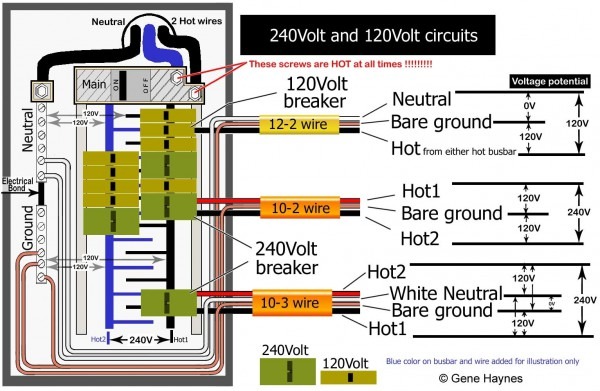
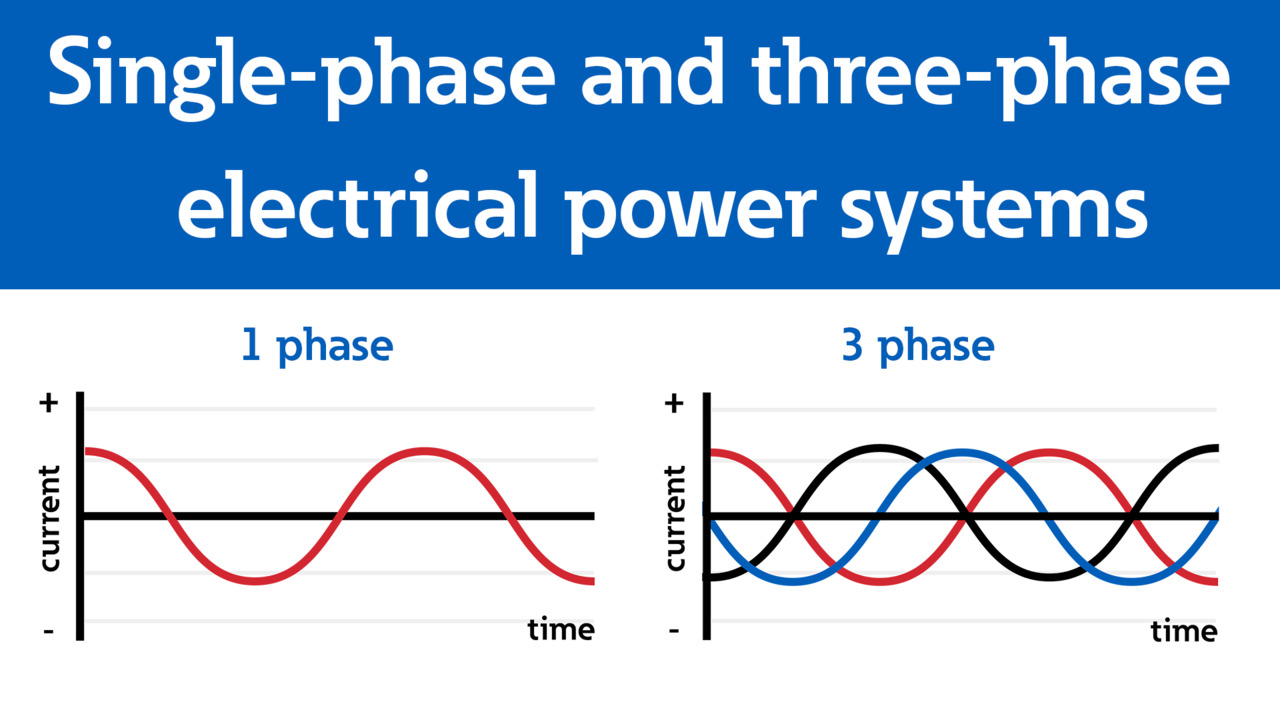
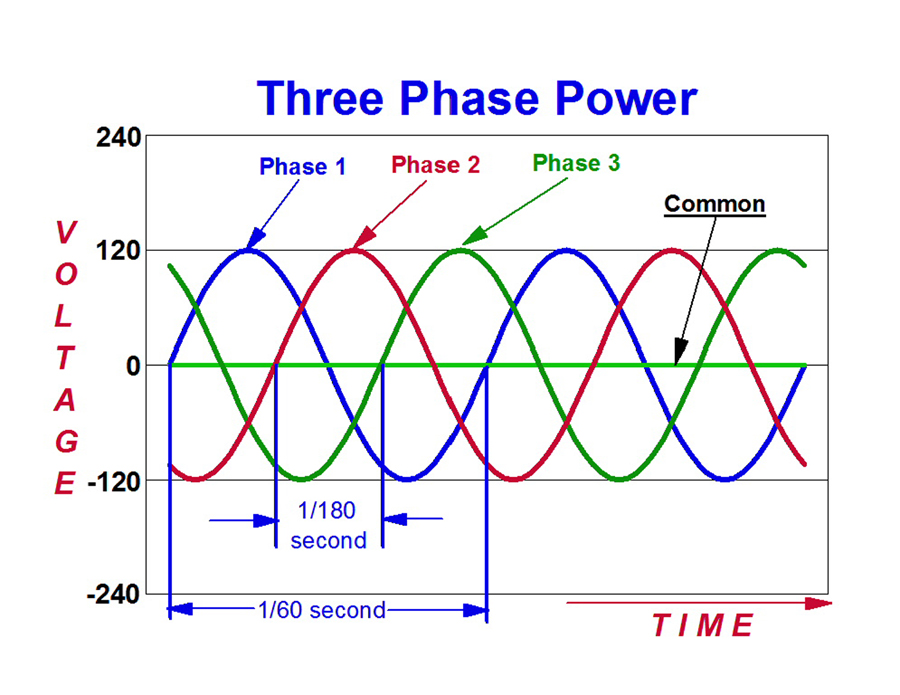
Standard residential electrical service in North America utilizes a split-phase AC supply, while the UK, Europe, and Australia rely on single-phase or multi-phase residential mains. In all these regions, standard wall outlets deliver a single alternating current waveform to plugged-in loads. A typical household circuit consists of a hot conductor, a neutral conductor, and a dedicated equipment grounding conductor. High-end computing rigs draw current through power supply units that convert this AC input into low-voltage DC rails for internal components like motherboards and graphics cards. Power demands fluctuate rapidly during intense processing workloads, making reliable branch circuit sizing critical. Reviewing proper installation methods within Home Electrical Wiring helps clarify how individual wall receptacles derive power from the main service panel.
–
[NFPA Finding] — According to the National Fire Protection Association (NFPA), electrical distribution and lighting equipment are leading factors in home electrical fires, underscoring the importance of proper circuit loading and adherence to the Safety NEC NFPA guidelines.
–
Diagram Explanation and Key Components
–
Interpreting a residential electrical schematic involves recognizing standard symbols for circuit breakers, receptacles, switches, and ground paths. The hot wire carries current from the breaker panel, the neutral path completes the circuit back to the source, and the green or bare copper ground provides a safe fault-current path. When analyzing hardware specifications, power supply unit diagrams indicate input voltage ranges, frequency ratings, and maximum current draws. Matching the hardware requirements to the correct branch circuit rating ensures the breaker does not trip under maximum gaming loads. Technicians often consult Symbols Schematics documentation to verify that wall outlets and power distribution units match system demands.
–
Common Problems and Troubleshooting Methods
–
System shutdowns, random reboots, and flickering display peripherals frequently point to electrical supply issues rather than software glitches. Diagnostic procedures begin at the wall outlet by checking for proper voltage levels and verifying a solid earth ground connection. Loose terminal screws inside receptacle boxes create high-resistance joints that generate heat and cause intermittent voltage drops under heavy electrical loads. Technicians use digital multimeters to test voltage stability while the connected hardware operates under a simulated workload. Checking the integrity of surge protectors, extension cords, and dedicated wall circuits isolates whether the fault lies in the internal hardware or the branch circuit wiring.
–
Practical Tips and Safety Considerations
–
Working around mains voltage requires strict adherence to safety protocols to prevent electrocution and equipment damage. Always de-energize the circuit at the service panel and verify zero energy state with a calibrated voltage tester before servicing any outlet or wiring device. Avoid daisy-chaining power strips or overloading a single branch circuit with multiple high-draw appliances and gaming rigs. Selecting the correct Wire Color Gauge Code and ensuring terminal torque meets manufacturer specifications prevents dangerous overheating conditions. Compliance with regional electrical codes guarantees that installations remain safe and reliable over the lifespan of the equipment.
–
Conclusion
–
Understanding electrical fundamentals bridges the gap between hardware performance and infrastructure safety. Recognizing that consumer entertainment gear runs on standard single-phase household circuits allows operators to design robust power distribution layouts. Proper load balancing, solid ground connections, and adherence to established electrical codes prevent hardware damage and unexpected downtime. Continued education in electrical principles remains the best defense against common circuit failures and performance bottlenecks.
Quick Wiring Specifications & Terminal Guide
| Component / Circuit | Standard Wire Gauge | Recommended Protection |
|---|---|---|
| Control & Trigger Signals | 18 – 20 AWG | 5A – 7.5A Inline Fuse |
| Standard Auxiliary Load | 14 – 16 AWG | 15A – 20A Circuit Breaker |
| Main Power Feed / Supply | 10 – 12 AWG | 30A – 40A Heavy-Duty Relay |
Images References

–
–

–
–

–

–