–
Introduction
–
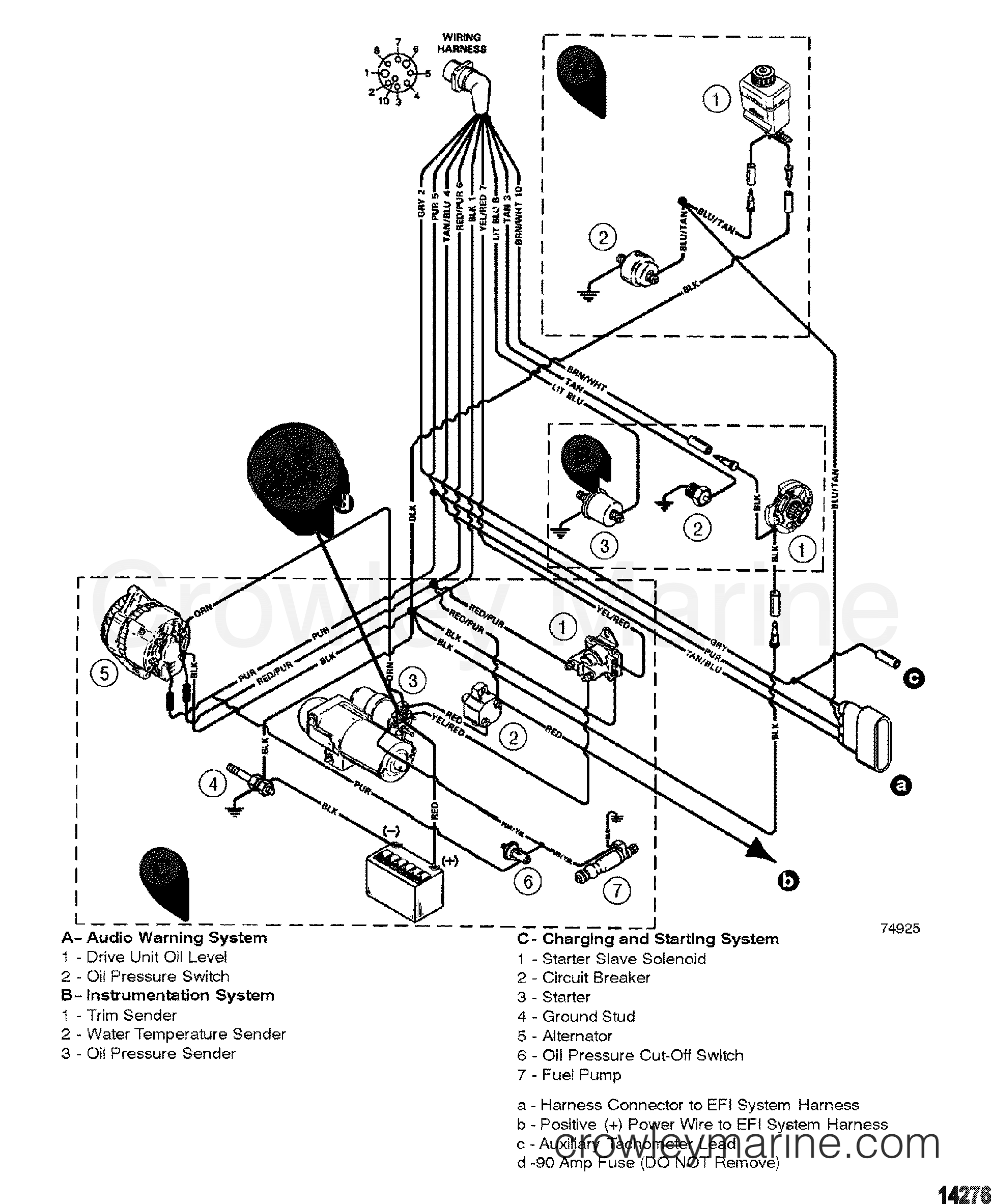
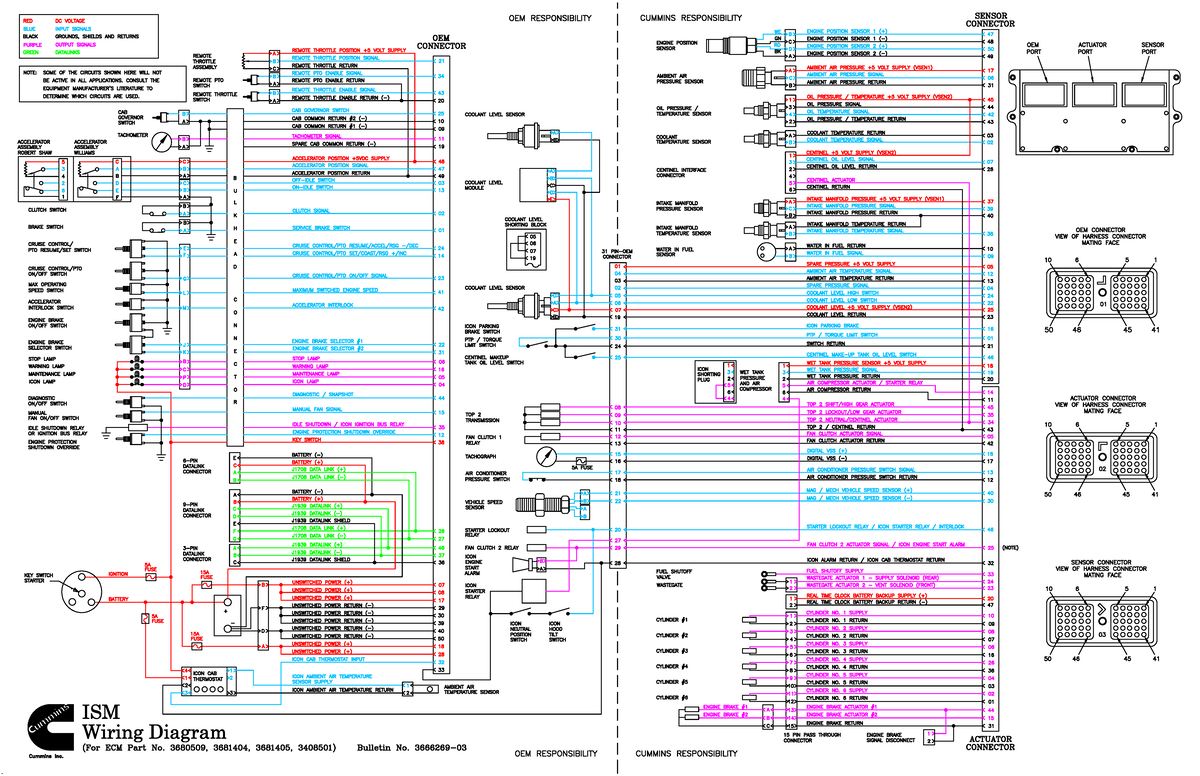
Locating a reliable 379 peterbilt peterbilt wiring diagram free resource remains a top priority for technicians and operators keeping legacy Class 8 trucks on the highway. Navigating heavy-duty commercial vehicle electrical architecture requires precision, especially given the decades of service accumulated by these iconic conventional models. Accessing accurate schematic documentation improves troubleshooting accuracy, reduces diagnostic time, and prevents costly electrical missteps during custom repairs or harness restorations.
💡 Technical Key Takeaways:
- Core Focus: Diagnostic schematic and terminal connection layout for 379 Peterbilt Peterbilt Wiring Diagram Free.
- Target Scope: Field technicians, automotive DIYers, and residential/commercial electricians.
- Safety Rule: Always disconnect the primary power source/battery terminal and verify zero voltage with a multimeter before touching wires.
–
Core Concepts and Wiring Fundamentals
–
Heavy-duty commercial vehicles rely on robust 12-volt direct current architectures to manage high-draw accessories, heavy lighting loads, and complex engine management sensors. Power distribution stems from primary battery feeds routed through master circuit breakers, high-amp fuses, and centralized relay panels located inside the cab or under the hood. Understanding how power flows from the chassis batteries to individual dash switches, steering column stalks, and exterior marker lamps is essential for any technician working on these platforms.
–
Ground integrity dictates system reliability across long wheelbases and aluminum cabs. Commercial chassis frequently utilize frame rails, crossmembers, and dedicated copper straps to complete return paths back to the negative battery terminals. Corrosion, road salt, and vibration degrade these chassis grounds over time, introducing high resistance that manifests as erratic gauge readings, dim lighting, or intermittent starter engagement. Diagnostic procedures must always verify both power supply and return path integrity before condemning major electrical components.
–
[Standard Practice] — Society of Automotive Engineers (SAE) standards for heavy-duty vehicle electrical systems emphasize standardized wire color coding, circuit numbering, and environmental connector sealing to withstand extreme vibration and thermal cycles.
–
Diagram Explanation and Key Components
–
Reading commercial vehicle schematics differs significantly from residential layout guidelines or Home Electrical Wiring practices. Factory service blueprints utilize alpha-numeric wire identification codes stamped directly onto the insulation at regular intervals. These markings correspond to specific circuit functions, such as ignition feeds, lighting controls, or sensor signal returns. Mastering Symbols Schematics allows technicians to quickly identify circuit breakers, diodes, multi-pin weather-pack connectors, and module pinouts.
–
When reviewing technical schematics, pay close attention to splice locations, designated harness routing paths, and fuse block cavity designations. Factory documentation categorizes circuits by functional groups, separating engine controls from chassis lighting and accessory power. Cross-referencing these sections helps isolate faults within crowded dash panels or engine compartment bulkheads.
–
Common Problems and Troubleshooting Methods
–
Systematic diagnosis replaces guesswork when tackling complex commercial truck electrical faults. Common failure points include chafed harness sections where wires pass through firewall grommet pass-throughs, corroded trailer receptacle pins, and fatigued relay contacts inside the main power distribution panel. Technicians should approach diagnosis by verifying battery state of charge, checking master fusible links, and isolating specific sub-circuits using a digital multimeter.
–
Voltage drop testing serves as the primary method for tracking down hidden resistance caused by oxidized terminals or loose crimp connectors. Operating a circuit under load while measuring voltage across switches, splices, and ground connections reveals failing components long before complete circuit failure occurs. For further exploration of mobile electrical standards, review practices outlined in Automotive Wiring guides.
–
Practical Tips and Safety Considerations
–
Working on heavy-duty electrical systems demands strict adherence to safety protocols. Always disconnect the primary battery negative terminals before unbolting starter cables, servicing alternator connections, or cutting into factory harness bundles to prevent accidental arcing or module damage. Utilizing proper Wire Color Gauge Code standards ensures that any added accessory wiring matches factory ampacity limits and thermal tolerances.
–
Avoid the common mistake of installing oversized fuses to bypass persistent short circuits. Every wire gauge possesses a maximum safe current capacity dictated by conductor cross-sectional area and insulation temperature rating. Permanent repairs require heat-shrink butt connectors with integrated adhesive lining, professional ratcheting crimp tools, and proper loom protection to shield wiring from sharp frame edges and extreme exhaust heat.
–
Conclusion
–
Securing and interpreting accurate electrical documentation remains indispensable for maintaining vintage and modern commercial transport. By mastering schematic symbols, respecting heavy-duty circuit capacities, and maintaining pristine chassis grounds, technicians ensure long-term reliability on the road. For additional insights into mobile power distribution and auxiliary setups, consult resources on Trailer RV Wiring.
Quick Wiring Specifications & Terminal Guide
| Component / Circuit | Standard Wire Gauge | Recommended Protection |
|---|---|---|
| Control & Trigger Signals | 18 – 20 AWG | 5A – 7.5A Inline Fuse |
| Standard Auxiliary Load | 14 – 16 AWG | 15A – 20A Circuit Breaker |
| Main Power Feed / Supply | 10 – 12 AWG | 30A – 40A Heavy-Duty Relay |
Images References

–

–

–

–

–