

– – Cables Construction: Unraveling the Interconnected Systems of Gaming
– In the vast and ever-evolving landscape of video games, the term “cables construction” might initially evoke images of literal wiring setups for gaming rigs or network infrastructure for esports arenas. However, within the analytical framework of game design, player experience, and competitive strategy, “cables construction” can be understood metaphorically. It refers to the intricate, often invisible, architecture that links disparate game elementsmechanics, systems, narratives, and social featuresinto a cohesive, functional, and engaging whole. This internal “cabling” dictates how actions cascade, how progression unfolds, and how the competitive meta is shaped, making it a foundational concept for understanding the depth and longevity of any gaming franchise.
💡 Technical Key Takeaways:
- Core Focus: Diagnostic schematic and terminal connection layout for Cables Construction.
- Target Scope: Field technicians, automotive DIYers, and residential/commercial electricians.
- Safety Rule: Always disconnect the primary power source/battery terminal and verify zero voltage with a multimeter before touching wires.
– Background and Core Idea
– The core idea of “cables construction” in gaming is rooted in the concept of interconnected systems. Every modern video game, from sprawling open-world RPGs to fast-paced esports titles, is built upon a network of systems that interact in complex ways. Historically, early arcade games or home console titles featured simpler, more linear “cabling” a direct link between player input and a singular game mechanic. As technology advanced and game design philosophies matured, developers began “constructing” far more intricate networks. Consider early RPGs where leveling up might only improve base stats; modern equivalents feature skill trees “cabled” to itemization, which is “cabled” to crafting systems, which in turn might be “cabled” to an in-game economy and even player-driven narratives. This purposeful construction of interdependent features is designed to create depth, foster strategic thinking, and ensure replayability. Without robust and intelligently constructed “cables,” a game’s various components might feel disjointed, failing to deliver a compelling gameplay experience or a sustainable competitive scene.
– Key Discussion and Analysis
– The intentional “cables construction” of game mechanics is paramount to a title’s success. Take, for instance, the combat systems in many action RPGs. A players choice of weapon (a mechanic) is “cabled” to a specific skill tree (another mechanic), which dictates available abilities and passive bonuses. These abilities are then “cabled” to an elemental damage system, which synergizes with environmental effects. Furthermore, character stats are “cabled” to gear choices, which might be acquired through a quest system “cabled” to narrative progression or a crafting system “cabled” to resource gathering. This multi-layered “cabling” creates a rich tactical sandbox, allowing players to construct diverse character builds and strategies. Poor “cables construction,” conversely, can lead to imbalanced gameplay, broken mechanics, or a lack of meaningful choices, often drawing widespread criticism in reviews.
– In the realm of esports, the “cables construction” extends beyond in-game mechanics to encompass the entire competitive ecosystem. The robust network code that ensures low latency, the fairness algorithms that prevent cheating, and the spectator modes that allow viewers to follow the action are all crucial “cables” enabling a professional competitive scene. For titles like League of Legends or Counter-Strike: Global Offensive, the meta the current optimal strategy or character/weapon choices is a direct result of how various abilities, items, and map features are “cabled” together. Pro players and teams constantly analyze and exploit these connections, dissecting the games internal “construction” to find advantageous pathways to victory. When developers introduce patches, they are effectively “re-cabling” parts of the game, which can drastically shift the meta and force competitors to adapt their strategies, creating dynamic and ever-evolving gameplay.
– Community and Competitive Impact
– The quality of a game’s “cables construction” profoundly impacts the community and competitive landscape. A well-designed, interconnected system often fosters deep engagement and a vibrant fanbase. Players appreciate games where their actions have meaningful consequences across multiple systems, leading to a satisfying sense of progression and mastery. This can be seen in the enduring popularity of games like Minecraft, where the “cabling” between resource gathering, crafting, building, and exploration allows for endless creative possibilities and emergent gameplay. Conversely, a poorly “cabled” gameone with repetitive grind, disconnected features, or frustrating progression loopsoften leads to player attrition and negative community sentiment.
– In the competitive arena, the “cables construction” directly influences player expectations and the integrity of esports. Professional players demand systems that are predictable, fair, and offer a high skill ceiling through their intricate connections. Any perceived imbalance or exploit arising from faulty “cabling” can lead to widespread competitive controversy, affecting the legitimacy of tournaments and the overall player experience. Game developers frequently engage in extensive balancing patches, which are essentially acts of “re-cabling” the game’s systems to ensure competitive fairness and maintain a healthy meta. The strategic depth that arises from complex “cables construction” is a key driver for viewership and participation in esports, as fans enjoy watching pros unravel and master these intricate pathways.
– Modern Perspective
– In today’s gaming landscape, the concept of “cables construction” is more critical than ever, especially with the prevalence of live service games. Titles like Fortnite, Destiny 2, and Apex Legends are constantly evolving, meaning their internal “cables” are perpetually being constructed, deconstructed, and re-constructed through seasonal updates, expansions, and balance changes. This iterative development model requires developers to master the art of adding new “cables” (new mechanics, features, story arcs) without breaking existing ones or creating unintended systemic imbalances. The challenge lies in maintaining a coherent and engaging player experience while continuously expanding and modifying the game’s underlying architecture. Furthermore, the rise of cross-platform play necessitates robust “cabling” to connect players across diverse hardware ecosystems, ensuring seamless multiplayer experiences regardless of the platform. The future of gaming will likely see even more sophisticated “cables construction,” with AI-driven procedural generation and dynamic content delivery systems creating incredibly complex and adaptive game worlds.
– Conclusion
– The metaphorical concept of “cables construction” is a powerful lens through which to analyze the design, functionality, and impact of video games. Far beyond mere physical connections, it represents the intricate and deliberate linking of game systems, mechanics, and features that define a title’s depth, replayability, and strategic possibilities. From fostering engaging gameplay loops and compelling player progression to shaping the ever-evolving meta of esports, well-executed “cables construction” is the backbone of successful gaming experiences. As game development continues to push boundaries, understanding this fundamental architectural principle remains crucial for both creators striving for innovation and players seeking to unravel the true mastery within their favorite virtual worlds.
– FAQs
1. Q1
– –
– –
– A game with robust “cables construction” offers multiple interconnected pathways and emergent gameplay opportunities. For example, a skill tree “cabled” to diverse itemization and faction choices allows players to construct unique builds and experience different playstyles across multiple playthroughs, significantly enhancing replayability.
2. Q2
– –
– –
– Absolutely. If game mechanics are poorly “cabled” (e.g., creating unintended synergies that are overly powerful, or disjointed systems that lead to imbalances), it can result in a shallow meta, dominant strategies, or exploitable glitches that undermine competitive integrity and player enjoyment in esports.
3. Q3
– –
– –
– For game developers, “cables construction” is central to strategic planning. It involves designing how new features will integrate with existing ones, ensuring that additions enhance rather than detract from the core gameplay loop, and forecasting how changes might ripple through the game’s complex systems to maintain a balanced and engaging player experience.
4. Q4
– –
– –
– Updates in live service games are essentially acts of “re-cabling.” Developers add new content, adjust existing mechanics, and sometimes remove old features, all of which alter the intricate network of systems. This constant “construction” requires careful planning to prevent unforeseen bugs or imbalances while keeping the game fresh and engaging for its player base.
– –
Quick Wiring Specifications & Terminal Guide
| Component / Circuit | Standard Wire Gauge | Recommended Protection |
|---|---|---|
| Control & Trigger Signals | 18 – 20 AWG | 5A – 7.5A Inline Fuse |
| Standard Auxiliary Load | 14 – 16 AWG | 15A – 20A Circuit Breaker |
| Main Power Feed / Supply | 10 – 12 AWG | 30A – 40A Heavy-Duty Relay |
Images References
– –
– –
Images References

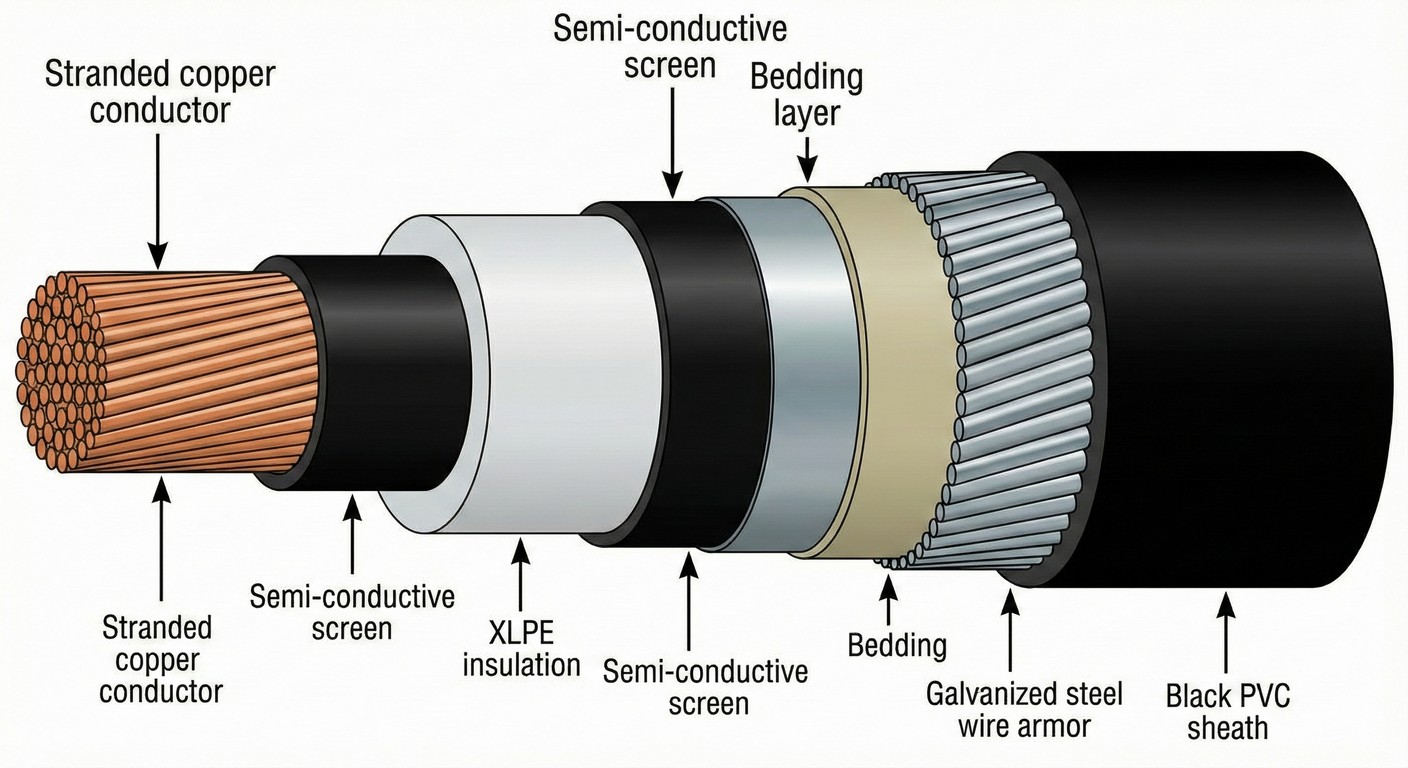


Explore more technical diagrams and schematics in our comprehensive wiring diagram collection for detailed circuit walkthroughs.


