–
Introduction
–
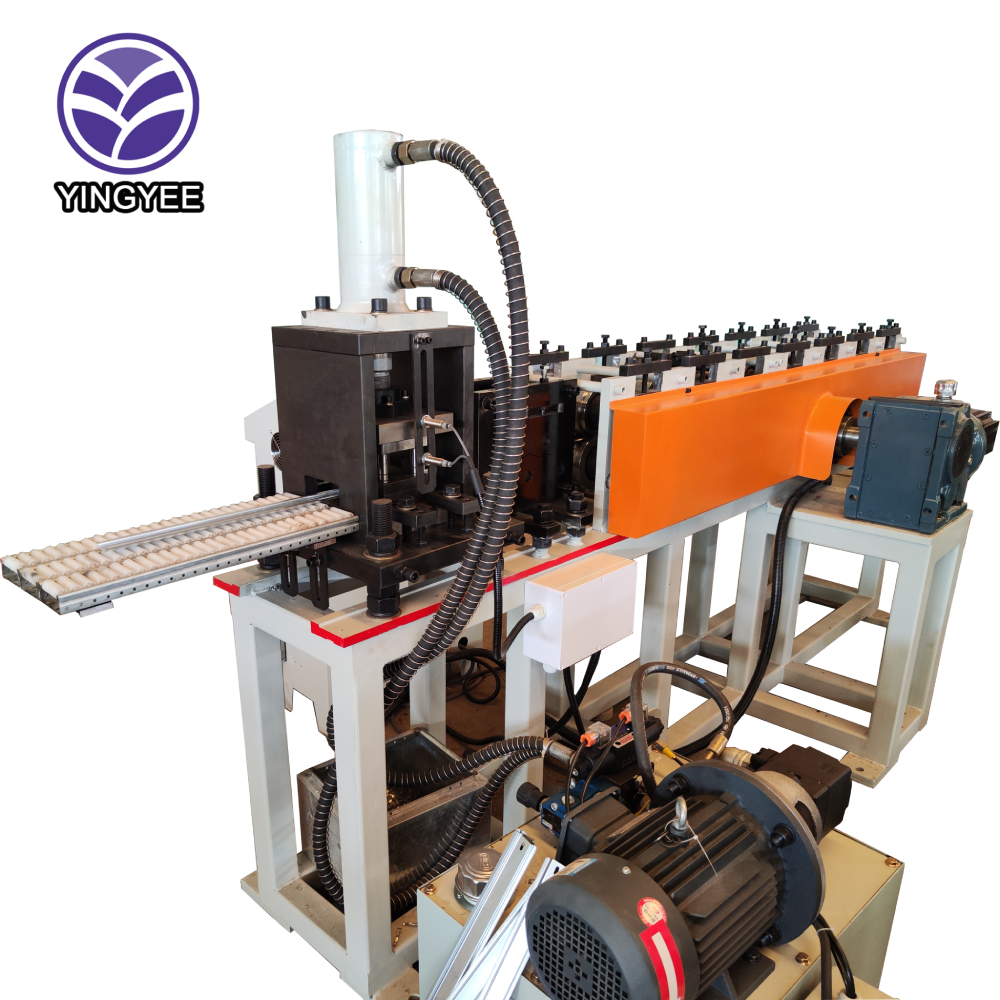
Electrical distribution relies heavily on robust enclosures to protect splices, taps, and terminal connections from moisture, physical damage, and corrosive elements. While technicians frequently interact with finished thermoplastic enclosures during Home Electrical Wiring installations, understanding how these components are manufactured provides valuable insight into their structural limitations, thermal thresholds, and mechanical integrity. A PVC junction box making machine utilizes specialized injection molding or extrusion technologies to produce durable polymer housings that meet strict dimensional and performance tolerances required by global electrical codes.
💡 Technical Key Takeaways:
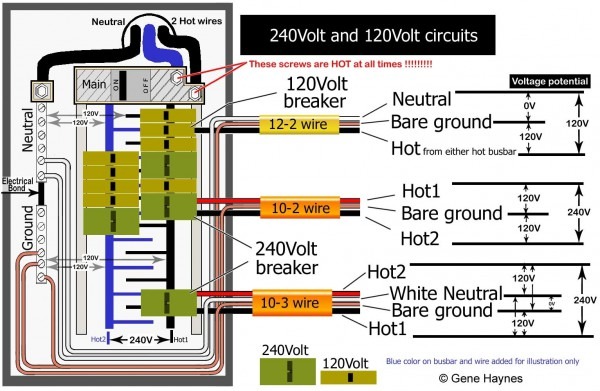
- Core Focus: Diagnostic schematic and terminal connection layout for Pvc Junction Box Making Machine.
- Target Scope: Field technicians, automotive DIYers, and residential/commercial electricians.
- Safety Rule: Always disconnect the primary power source/battery terminal and verify zero voltage with a multimeter before touching wires.
–
–
Enclosures formed through automated manufacturing processes serve as the primary containment barriers for branch circuits, control lines, and specialized low-voltage runs. Grasping the production methodology helps installers evaluate material quality, wall thickness consistency, and knockout integrity before deploying enclosures in residential, commercial, or industrial Safety NEC NFPA compliant applications. Poorly manufactured enclosures can fail prematurely under thermal stress or mechanical impact, compromising the entire electrical raceway system.
–
Core Concepts and Wiring Fundamentals
–
Polyvinyl chloride enclosures are engineered to house conductors, wire nuts, terminal blocks, and grounding screws securely. When routing circuits into these boxes, technicians must maintain appropriate fill capacities based on conductor gauge and device volume. The mechanical stability of the box depends heavily on the precision of its molded entry points, often referred to as knockouts or threaded hubs. Proper conduit adapters and solvent welds ensure that the ingress protection rating remains uncompromised against dust and water jets.
–
–
Within residential and commercial distribution networks, these enclosures manage diverse circuit loads ranging from standard lighting branches to specialized control wiring associated with a Light Switch Dimmer configuration. Conductors must be stripped accurately and torqued to manufacturer specifications inside the enclosure to prevent high-resistance connections. High-resistance joints generate localized heat, which can soften inferior thermoplastic materials and degrade the overall reliability of the wiring system.
–
[Finding] — According to the National Fire Protection Association (NFPA), electrical failure and malfunction remain leading factors in home structural fires, emphasizing the critical role of properly rated enclosures and secure terminations.
–
Diagram Explanation and Key Components
–
Interpreting architectural and schematic layouts requires a solid grasp of how physical enclosures integrate into overall system design. Blueprints typically represent junction boxes with standard geometric symbols, indicating box dimensions, knockout counts, and mounting heights. Technicians must cross-reference these symbols with physical site conditions to ensure that the installed PVC boxes match the structural requirements detailed in official documentation, frequently cross-referenced with standard Symbols Schematics guides.
–
–
Key components visible in a finished PVC enclosure installation include internal grounding plates, threaded brass inserts for cover screws, and integral mounting flanges. Manufacturers produce these integrated features during the initial molding cycle to ensure structural rigidity. When evaluating a schematic, technicians look for notes regarding box material ratings, such as ultraviolet resistance for outdoor deployments or flame-retardant classifications for interior plenum spaces, ensuring complete alignment with regional guidelines.
–
Common Problems and Troubleshooting Methods
–
Field diagnosis of enclosure-related faults often reveals physical damage resulting from improper installation or inferior manufacturing quality. Common issues include cracked mounting tabs, deformed threaded entries, and shattered knockouts caused by excessive force during conduit installation. Technicians should approach troubleshooting systematically by visually inspecting the exterior housing for stress fractures, checking cover gasket compression, and verifying that internal wire management does not pinch conductors against sharp molded edges.
–
–
When tracing intermittent circuit faults originating within a junction box, the diagnostic procedure requires safely isolating power, removing the cover, and inspecting wire connectors for signs of thermal discoloration or looseness. If moisture ingress is detected, technicians must evaluate whether the failure stems from a compromised conduit seal, a missing cover gasket, or a micro-crack in the PVC housing itself. Corrective action involves replacing damaged enclosures with certified units that match the environmental demands of the specific installation space.
–
Practical Tips and Safety Considerations
–
Working with thermoplastic electrical enclosures demands adherence to established field safety practices. Mains-voltage work requires complete circuit de-energization and verification of zero energy state using a calibrated multi-meter or voltage detector before touching any conductors inside a junction box. Regional variations dictate specific installation standards; for example, practitioners must follow the National Electrical Code (NEC) in the United States, the Canadian Electrical Code (CEC) in Canada, BS 7671 in the United Kingdom, or AS/NZS 3000 in Australia, ensuring all metallic components maintain proper equipment grounding continuity.
–
–
A frequent installation error involves over-tightening conduit connectors into PVC female adapters, which strips the threads or cracks the surrounding polymer wall. Installers should hand-tighten fittings and use appropriate channel-lock pliers only for a quarter-turn past snug, avoiding excessive torque. Furthermore, selecting enclosures with correct NEMA or IP ratings guarantees adequate defense against environmental hazards such as rain, hose-directed water, or corrosive dust particles.
–
Conclusion
–
Quality control during the production of thermoplastic enclosures directly influences the safety and longevity of modern electrical infrastructure. Understanding the intersection between manufacturing standards and field application empowers technicians to select superior materials, execute compliant installations, and maintain rigorous safety margins across diverse residential and commercial environments. Proper selection, careful installation, and diligent inspection remain the cornerstones of reliable electrical distribution. For further study on circuit design principles, review specialized guides on Wiring Diagram interpretation.
Quick Wiring Specifications & Terminal Guide
| Component / Circuit | Standard Wire Gauge | Recommended Protection |
|---|---|---|
| Control & Trigger Signals | 18 – 20 AWG | 5A – 7.5A Inline Fuse |
| Standard Auxiliary Load | 14 – 16 AWG | 15A – 20A Circuit Breaker |
| Main Power Feed / Supply | 10 – 12 AWG | 30A – 40A Heavy-Duty Relay |
Images References

–

–

–
–

–

–