– –
– – Circuit Diagram Light: Illuminating Complex Game Mechanics and Strategic Depth
– In the vast and evolving landscape of video games, the seemingly technical concept of a “circuit diagram light” transcends its literal electrical engineering origins. Within gaming, this phrase becomes a powerful metaphor and, at times, a direct gameplay mechanic, representing the intricate, interconnected systems that drive virtual worlds and competitive scenes. Understanding the underlying ‘circuitry’ of a game, and the ‘lights’ that illuminate its functions, is crucial for players seeking mastery, developers crafting immersive experiences, and analysts dissecting the competitive meta. This article delves into how this concept shapes gameplay, strategy, and the very culture of gaming, offering a lens through which to appreciate the depth of interactive entertainment.
💡 Technical Key Takeaways:
- Core Focus: Diagnostic schematic and terminal connection layout for Circuit Diagram Light.
- Target Scope: Field technicians, automotive DIYers, and residential/commercial electricians.
- Safety Rule: Always disconnect the primary power source/battery terminal and verify zero voltage with a multimeter before touching wires.
– Background and Core Idea
– At its heart, a circuit diagram provides a visual map of interconnected components, illustrating how power flows and signals interact to achieve a specific function. The ‘light’ often signifies an active state, a completed circuit, or a crucial piece of feedback. In the gaming world, this core idea translates into two primary dimensions. Firstly, there are games that literally incorporate elements resembling circuit diagrams, challenging players to build or manipulate electrical systems. Secondly, and more broadly, the term acts as an analytical framework: understanding a game’s complex mechanics as an intricate ‘circuit diagram,’ where each action or feature is a component, and player success hinges on ‘lighting up’ the correct pathways through strategic choices.
– Historically, even the earliest arcade cabinets were physical circuit diagrams, with flashing lights and responsive controls offering immediate feedback to players. As games evolved, this feedback became digitized. Simple puzzle games often presented implicit “circuits” of cause and effect, where a correct move would “light up” the path to progression. This foundational understanding of interconnected systems has permeated game design ever since, influencing everything from basic input-output interactions to sprawling, multi-layered simulations.
– Key Discussion and Analysis
– The concept of a “circuit diagram light” manifests vividly in various gaming genres. In games like Mojang’s Minecraft, the Redstone system is a prime example of literal circuit building. Players construct complex contraptions using Redstone dust, repeaters, and comparators, creating logical gates and automated machinery. The glowing Redstone lines and activated lamps serve as direct “circuit diagram lights,” providing immediate visual feedback on the flow of power and the functionality of their designs. Similarly, titles like Wube Software’s Factorio and Coffee Stain Studios’ Satisfactory push this even further, tasking players with designing vast, intricate factory layouts. Conveyor belts, inserters, and assembly machines form a complex production “circuit diagram,” where production lights and output indicators signal efficiency or bottlenecks. Mastering these mechanics requires a deep understanding of resource flow, timing, and optimization, essentially ‘diagramming’ the most efficient production lines.
– Beyond direct implementation, the metaphorical application of “circuit diagram light” extends to understanding the deeper ‘circuitry’ of a game’s underlying systems. Consider the strategic layers of a real-time strategy (RTS) game like StarCraft II. Here, the ‘circuit diagram’ isn’t explicitly drawn but exists in the intricate web of build orders, unit counters, economic management, and tactical positioning. A skilled player can “light up” potential attack timings, identify vulnerable economic structures, or pinpoint crucial tech advantages by ‘reading’ the opponent’s actions. Every decision made by a player, from choosing a specific opening strategy to executing a complex micro-intensive battle, sends a “signal” through this intricate strategic circuit, ideally leading to the “light” of victory. This deep dive into a game’s internal logic is what elevates a casual player to a strategic mastermind, revealing hidden synergies and optimal pathways within the gameplay.
– Community and Competitive Impact
– The challenge of deciphering a game’s internal “circuit diagram” often fuels vibrant gaming communities. Forums and wikis are replete with players meticulously documenting mechanics, sharing optimal builds, and collaboratively solving complex in-game puzzles. From the most efficient Minecraft Redstone farm designs to the latest meta-defining strategies in competitive shooters, players are constantly trying to “light up” the most effective routes to success. This shared endeavor enhances the overall player experience, fostering a sense of collective discovery and mastery.
– In the competitive scene, particularly in esports, understanding the “circuit diagram light” of a game is paramount. Professional players and analysts dedicate countless hours to dissecting game patches, analyzing competitive meta shifts, and identifying intricate interactions between abilities, items, and map objectives. For instance, in a Multiplayer Online Battle Arena (MOBA) like League of Legends, a team’s strategy is a dynamic “circuit diagram.” Each champion pick, item purchase, and objective contest forms part of a larger plan. A pro player can “light up” a crucial flank opportunity, understand the timing of an enemy ultimate ability, or predict a gank by ‘reading’ the subtle indicators and interconnected systems that make up the game state. The ability to visualize and react to these ‘lights’ in high-pressure situations is what separates good players from championship contenders, embodying true strategic depth within the competitive landscape.
– Modern Perspective
– In today’s gaming landscape, with titles boasting immense complexity, emergent gameplay, and frequently updated content, the concept of a “circuit diagram light” remains critically relevant. Developers are creating increasingly intricate game worlds where player choices have cascading effects, and the underlying ‘circuitry’ is more dynamic than ever. Games employing procedural generation or complex AI systems continuously challenge players to adapt and find new ‘lights’ of opportunity or warning within ever-changing “diagrams.”
– The rise of live-service games further emphasizes this. Developers regularly introduce new mechanics, characters, or maps, altering the game’s “circuit diagram” and prompting players to re-evaluate strategies. Community reviews and discussions often center on how well new features integrate into the existing “circuitry,” or whether they “break” established strategic pathways. This ongoing evolution ensures that the process of understanding and “lighting up” a game’s core systems is a continuous, engaging challenge, reflecting the dynamic nature of modern interactive entertainment.
– Conclusion
– The concept of “circuit diagram light” serves as an invaluable framework for understanding the profound depth and intricate design that characterize video games. Whether through literal in-game mechanics that task players with constructing complex systems or metaphorically, by illuminating the strategic pathways within competitive gameplay, this idea underpins much of what makes gaming so engaging. It speaks to the universal human desire to understand, master, and optimize complex systems. From the satisfaction of seeing a meticulously built Redstone circuit activate its final lamp to the strategic brilliance of a perfectly executed esports play, the ‘lights’ within a game’s ‘circuit diagram’ continue to guide, challenge, and reward players, ensuring its long-term influence on game design, strategy, and the enduring passion of the gaming community.
– FAQs
– Q1: How do games use literal “circuit diagram light” elements?
– A1: Games like Minecraft (Redstone), Factorio, and Satisfactory require players to build and manage interconnected systems, often with visual indicators (lights, glowing lines) showing power flow and functionality, acting as literal circuit diagrams.
– Q2: What does “circuit diagram light” mean metaphorically in esports?
– A2: In esports, it refers to understanding the intricate strategic “circuitry” of a game’s meta, opponent’s tactics, or competitive mechanics. “Lights” represent crucial insights, opportunities, or warnings that professional players identify to make optimal decisions and execute winning strategies.
– Q3: Are there historical examples of this concept in gaming?
– A3: Historically, the physical circuit boards and indicator lights of early arcade machines offered direct “circuit diagram light” feedback. In terms of gameplay, early puzzle games often presented implicit cause-and-effect “circuits” that players had to decipher to progress.
– Q4: How does understanding a game’s “circuit diagram” improve player experience?
– A4: Deciphering a game’s “circuit diagram” enhances player experience by fostering a deeper sense of mastery, enabling more effective strategies, and increasing engagement through problem-solving and optimization. It allows players to move beyond surface-level interaction to a profound understanding of game mechanics and their intricate relationships.
– –
Quick Wiring Specifications & Terminal Guide
| Component / Circuit | Standard Wire Gauge | Recommended Protection |
|---|---|---|
| Control & Trigger Signals | 18 – 20 AWG | 5A – 7.5A Inline Fuse |
| Standard Auxiliary Load | 14 – 16 AWG | 15A – 20A Circuit Breaker |
| Main Power Feed / Supply | 10 – 12 AWG | 30A – 40A Heavy-Duty Relay |
Images References
– –
– –
– –
– –
– –
– –
– –
– –
– –
– –
– –
– –
– –
– –
– –
– –
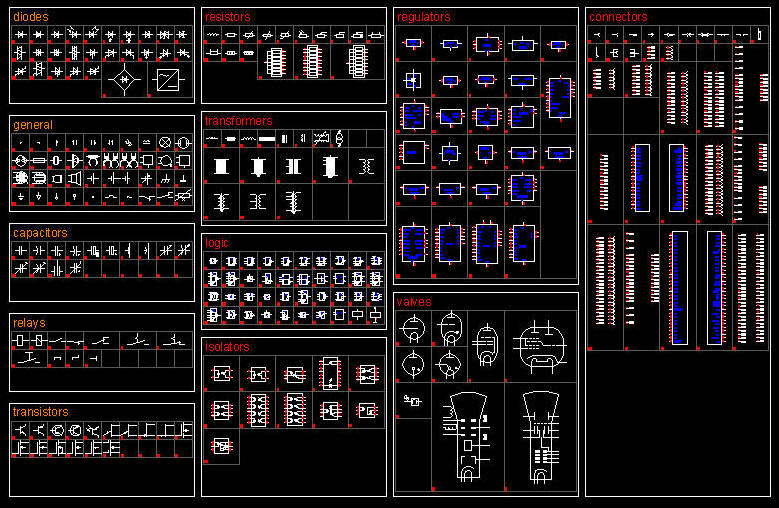
Explore more technical diagrams and schematics in our comprehensive symbols schematics collection for detailed circuit walkthroughs.