–
Introduction
–
Electrical diagrams serve as the definitive roadmap for diagnosing and repairing complex mobile and stationary power setups. When technicians encounter specialized components such as the infinity 36670 amp wiring diagram, understanding the underlying schematics is essential for preventing catastrophic failures. This reference applies directly to high-capacity 12V and 24V direct current distribution systems found in heavy-duty vehicles, custom automotive upgrades, and specialized auxiliary power setups. Proper interpretation of these schematics ensures that load capacities, protective devices, and switching networks integrate seamlessly without risking thermal overload.
💡 Technical Key Takeaways:
- Core Focus: Diagnostic schematic and terminal connection layout for Infinity 36670 Amp Wiring Diagram.
- Target Scope: Field technicians, automotive DIYers, and residential/commercial electricians.
- Safety Rule: Always disconnect the primary power source/battery terminal and verify zero voltage with a multimeter before touching wires.
–
Mastering this layout improves diagnostic speed and installation quality across multiple domains, including Automotive Wiring and mobile auxiliary configurations. Field experience indicates that many electrical gremlins originate from misread schematics or overlooked connection points rather than component failure. Recognizing standard symbols, voltage drops, and circuit paths minimizes guesswork during complex troubleshooting sessions.
–
Core Concepts and Wiring Fundamentals
–
High-amperage direct current circuits demand rigorous adherence to electrical fundamentals. Conductors must be sized according to strict ampacity charts to handle continuous heavy loads without excessive heat buildup. Voltage drop becomes a critical factor over long cable runs, necessitating thicker copper gauges to maintain proper delivery to downstream components.
–
Protection devices such as high-current fuses, fusible links, and heavy-duty relays form the backbone of the distribution network. A relay allows a low-current switch to control a massive circuit load safely, isolating sensitive control panels from destructive power spikes. Grounding integrity is equally vital; a loose or corroded chassis ground will introduce high resistance, creating voltage drops and erratic behavior across the entire network.
–
[Electrical Safety Standard] — The National Fire Protection Association (NFPA) notes that proper overcurrent protection sizing is critical for preventing thermal events in high-amperage DC distribution systems.
–
Diagram Explanation and Key Components
–
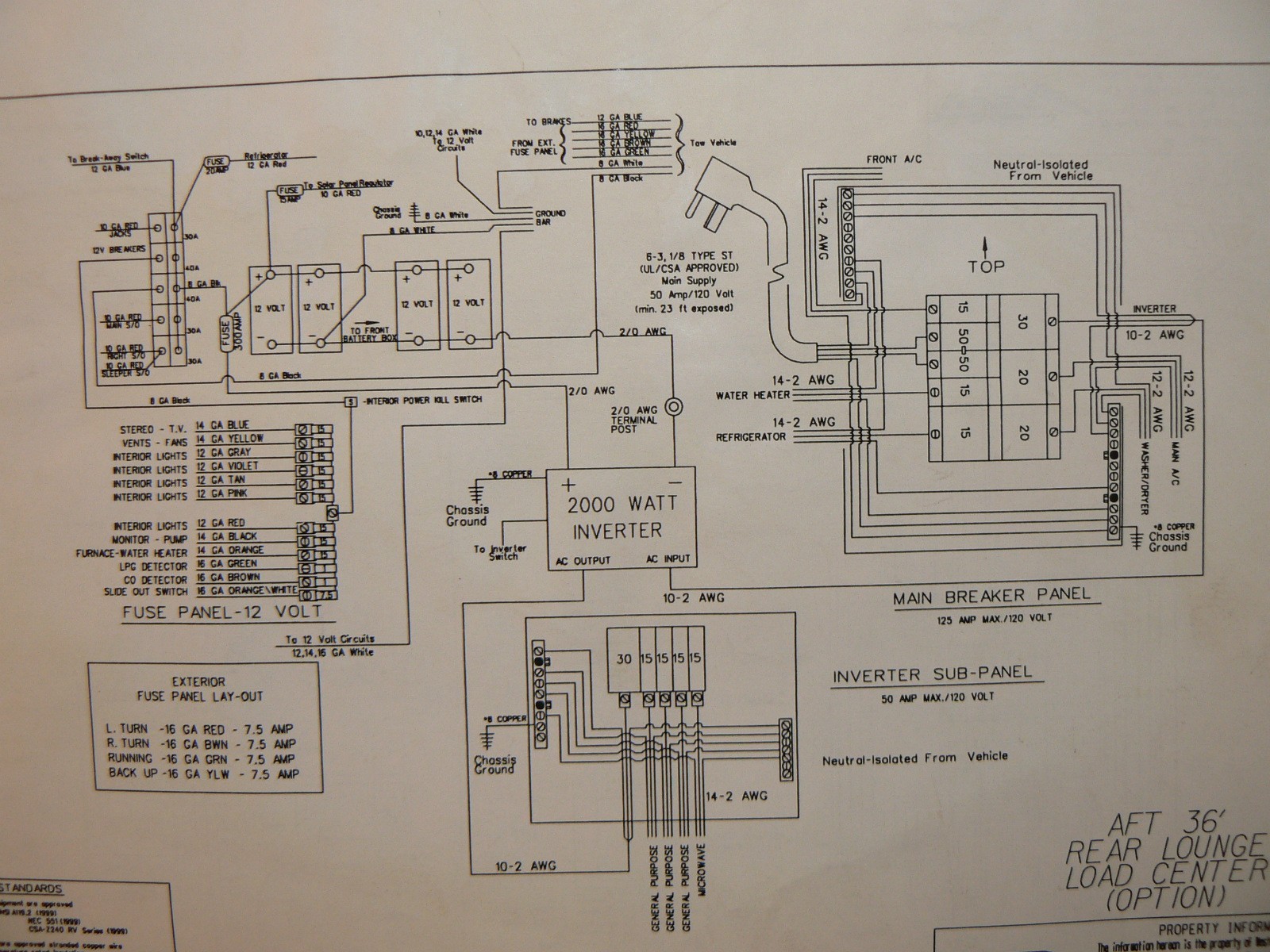
Interpreting a complex schematic requires familiarity with standard symbols for solenoids, circuit breakers, fuses, and multi-pin connectors. The infinity 36670 amp wiring diagram typically utilizes standardized line weights and alphanumeric pin designations to trace circuits from the primary power source to individual loads. Dashed lines often denote removable harnesses or physical enclosures, while solid lines represent permanent copper pathways.
–
Color coding on DC schematics generally follows regional or manufacturer-specific conventions. Primary power feeds are often designated by warm colors such as red or orange, while ground returns utilize black or dark brown. Signal and control wires feature secondary striping to differentiate their functions. Reviewing the manufacturer legend Symbols Schematics before touching a multimeter prevents costly misinterpretations of component logic.
–
Common Problems and Troubleshooting Methods
–
Field diagnostics on high-amperage systems usually center around intermittent power loss, melted fuse holders, and voltage drop anomalies. A systematic, step-by-step diagnostic approach prevents unnecessary component replacement. Technicians should begin by performing a visual inspection of all battery terminals, relay contacts, and bulkhead connectors for signs of thermal stress, oxidation, or mechanical looseness.
–
Using a digital multimeter set to DC voltage, measure potential differences across switches and fuses under a live load condition. A reading greater than zero across a closed switch or fuse indicates internal resistance or a failing contact. High-resistance grounds frequently manifest as flickering components or sluggish motor operation. Mechanics should consult resources on Wire Color Gauge Code to verify that previous modifications match original factory specifications before concluding a diagnosis.
–
Practical Tips and Safety Considerations
–
Safety remains paramount when working near high-capacity power sources capable of delivering thousands of cold-cranking amperes. Always disconnect the primary battery negative terminal before servicing heavy-duty DC circuits to prevent accidental short circuits, severe burns, or arc flashes. Use insulated hand tools and wear appropriate eye protection during terminal crimping and busbar maintenance.
–
A common installation mistake involves mixing incompatible metals at ground points, which accelerates galvanic corrosion and introduces high-resistance faults over time. Ensure all ring terminals are securely crimped using ratcheting tools rather than generic pliers, and apply dielectric grease or heat-shrink tubing to seal connections against moisture ingress in harsh operating environments.
–
Conclusion
–
Comprehending high-amperage electrical schematics bridges the gap between guesswork and professional-grade diagnosis. Careful attention to conductor sizing, relay operation, and secure grounding safeguards both equipment and operator. Reviewing established reference material, including Trailer RV Wiring guidelines, ensures compliance with recognized mobile electrical practices and long-term system reliability.
Quick Wiring Specifications & Terminal Guide
| Component / Circuit | Standard Wire Gauge | Recommended Protection |
|---|---|---|
| Control & Trigger Signals | 18 – 20 AWG | 5A – 7.5A Inline Fuse |
| Standard Auxiliary Load | 14 – 16 AWG | 15A – 20A Circuit Breaker |
| Main Power Feed / Supply | 10 – 12 AWG | 30A – 40A Heavy-Duty Relay |
Images References

–

–

–
–

–